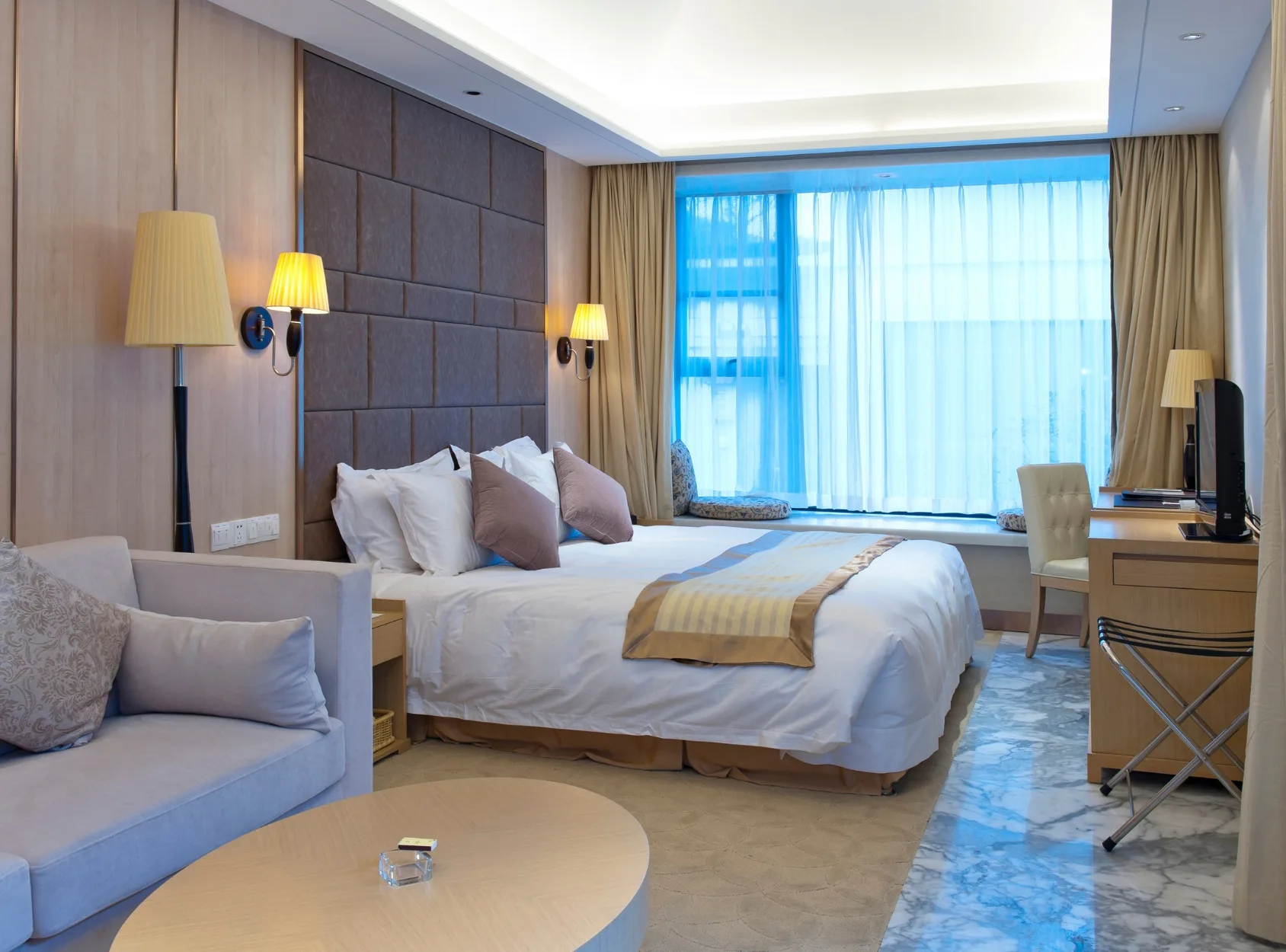
What Is an Ozone Generator for Hotels?
An Ozone Generator for Hotels is an industrial-grade system that produces ozone (O₃), a highly reactive oxidizing gas used to deep-clean and deodorize indoor environments within hospitality settings. In hotels, guest rooms, lobbies, bathrooms, smoking areas, and common spaces are subject to a wide range of odors, airborne contaminants, and microbial loads due to constant occupancy, varied guest activities, and high turnover.
Ozone generators help neutralize odors at their source, disinfect both air and hard-to-reach surfaces, and support housekeeping efforts by supplementing regular cleaning protocols. Because ozone breaks down into oxygen after reacting with pollutants, it provides a chemical-free sanitation option that aligns with guest comfort, environmental goals, and operational efficiency.
Core Technology & Data
Ozone Generation & Mechanism
Ozone (O₃) is formed when oxygen molecules (O₂) are energized — typically using corona discharge technology — causing them to split and recombine into ozone gas. This extra oxygen atom makes ozone a powerful oxidant that reacts with microbes, odor-causing compounds, and organic pollutants in hotel environments.
The oxidative reaction alters the structure of contaminants, neutralizing them rather than merely masking them.
Action in Hotel Applications
In hotel settings, ozone generators are most often used in vacant rooms or unoccupied areas where the gas can circulate freely without exposing guests or staff to elevated ozone concentrations. Typical ozone applications include:
- Guest room air purification: Ozone oxidizes airborne particles and microbes throughout the room, leaving air fresh and sanitized.
- Surface sanitation: Ozone reaches difficult areas such as curtains, upholstery, and vents to help reduce microbial loads.
- Odor elimination: Ozone neutralizes stubborn odors from smoking, food spills, mildew, body odors, and other sources by breaking down the responsible molecules.
- Common area treatment: Lobbies, conference rooms, and gym spaces can be treated during off-peak periods to reduce airborne contaminants and odors.
Because ozone is unstable and cannot be stored, it must be generated on-site and applied in controlled doses with proper ventilation before re-entry.
Benefits & Performance Highlights
- Enhanced guest room hygiene: Ozone's powerful oxidizing action helps reduce airborne microbes and surface contaminants beyond what regular cleaning alone can achieve.
- Deep odor elimination: Neutralizes stubborn odors such as smoke, mildew, food smells, and body odors at the molecular level.
- Faster room turnover: Enables quicker disinfection and deodorization, helping housekeeping teams prepare rooms faster.
- Reduced chemical dependence: Minimizes reliance on harsh chemical sanitizers and deodorizing products.
- Environmental and sustainability support: Decomposes back into oxygen, leaving no harmful residues.
- Versatile hospitality use: Suitable for guest rooms, bathrooms, lobbies, smoking rooms, conference halls, and gyms.
Safety Considerations
Ozone is a reactive gas and can be harmful at high concentrations if inhaled. For safe use in hotels, ozone treatments should be conducted only in unoccupied spaces, with adequate ventilation and strict adherence to manufacturer guidelines and safety protocols.
Discuss your application
Share your room volumes, turnover requirements and treatment objectives with our engineering team for a correctly sized ozone system.
Request a Recommendation